Rediscovering the architect who remained in the shadow of the great names, yet left a decisive mark on Modernism, in the art of applied ceramics in architecture, and in Esplugues:
Antoni Maria Gallissà i Roqué

This exhibition sheds light on the figure of an architect often overshadowed by the prominent names of his time. A discreet but essential creator in the birth of Modernism and in the revival of applied ceramics in architecture.
Through his legacy, we discover a way of understanding architecture where art and craft engage in dialogue, and where collaboration with the Pujol i Bausis factory gave rise to one of the city’s heritage gems: Can Casanovas, a unique building that still speaks today of the talent and sensitivity of that era.
Practical Information
From February 20, 2026 to November 01/2026
Museu Can Tinturé
Free admission
Opening hours:
- Tuesday to Friday: 5:00 PM – 8:00 PM
- Saturday: 10:00 AM – 2:00 PM and 5:00 PM – 8:00 PM
- Sunday and public holidays: 10:00 AM – 2:00 PM
- Closed on Mondays and August
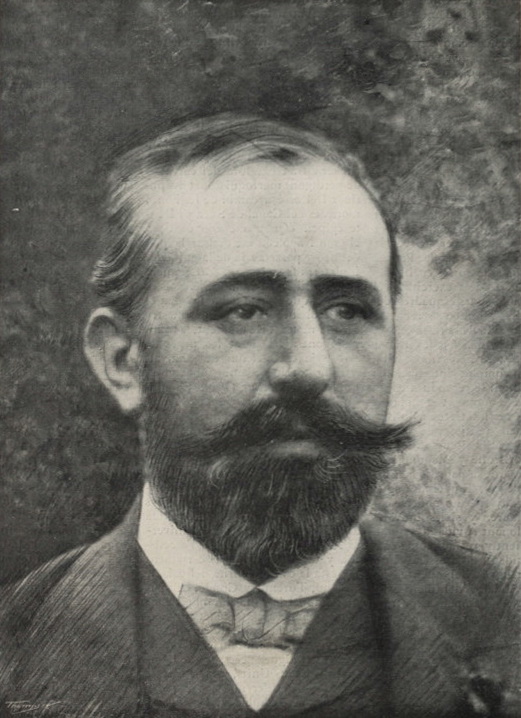
Antoni Maria Gallissà i Roqué
Barcelona, 1861–1903. Architect and professor, graphic designer, historian, collector, photographer, hiker, and politician.
Portrait of Antoni Maria Gallissà i Roqué. La Il·lustració Catalana (May 15, 1903)
The exibition
This exhibition invites us to discover the figure of Antoni Maria Gallissà i Roqué (1861–1903), a key architect for understanding the birth of Modernism, whose career was cut short by his premature death at the age of 41.
Gallissà’s work is framed within late 19th-century Catalonia, a turbulent and vibrant period defined by three major axes: the cultural Renaixença, the Industrial Revolution, and the rise of Catalan political nationalism.
Ceramics and Architecture
The exhibition focuses on two major areas of his work:
— his collaboration with the Hijo de Jaime Pujol i Bausis ceramics factory,
— and his role as the architect of the Modernist project Can Casanovas (Esplugues de Llobregat).